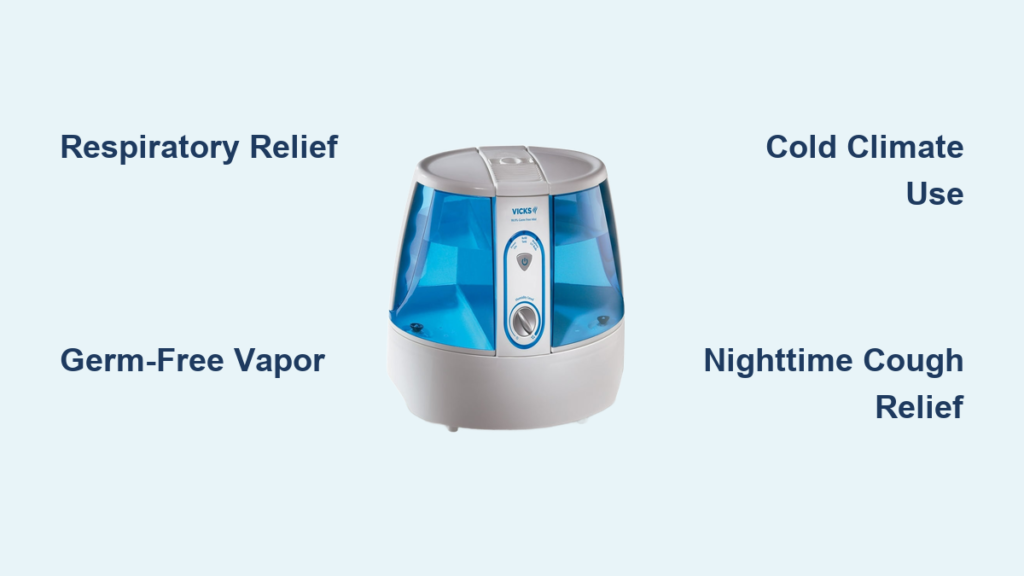
Winter’s dry air hits your home like a silent invader. You wake up with a scratchy throat, your skin feels tight, and that static shock from your blanket becomes a daily jolt. While any humidifier helps, warm mist models offer unique advantages that make them the clear choice in specific situations. This guide cuts through the confusion and shows you exactly when a warm mist humidifier becomes your best defense against dry air.
That persistent dry cough or stuffy nose isn’t just annoying—it’s your body signaling that indoor humidity has dropped too low. The right humidifier can transform your comfort, but choosing between warm and cool mist often leaves homeowners confused. Understanding precisely when to use warm mist humidifier technology can mean the difference between temporary relief and genuine healing comfort during challenging seasons.
Respiratory Relief When Cold Air Makes Breathing Difficult
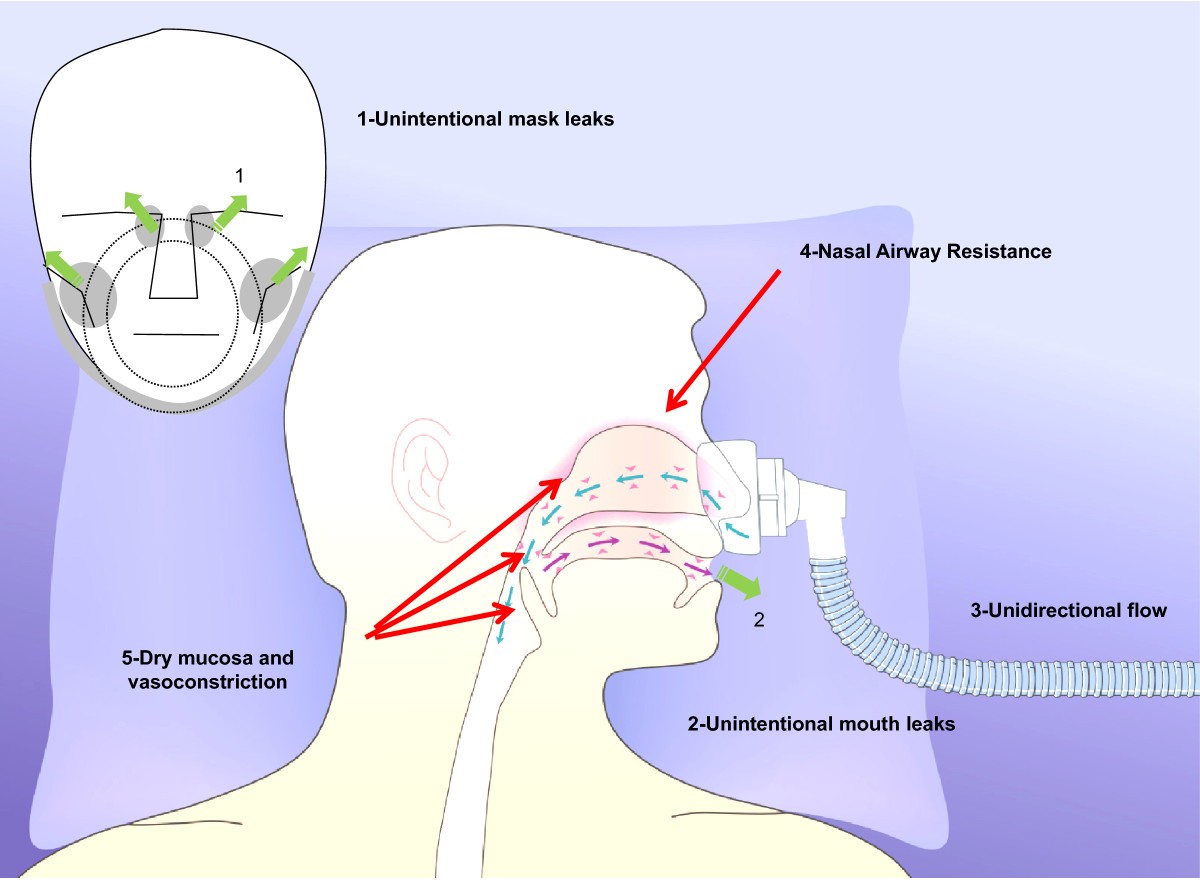
Why Warm Mist Soothes Airways Better Than Cool Air
When cold air meets your nasal passages, it triggers a natural defensive reaction that can worsen congestion. Warm mist humidifiers solve this problem by delivering vapor at a temperature that matches your body’s natural warmth. As the heated vapor enters your respiratory system, it relaxes constricted airways and loosens stubborn mucus without causing that initial shock response. You’ll notice deeper, more comfortable breathing within 15-20 minutes of operation, especially when positioned correctly in your bedroom.
Germ-Killing Power Through Natural Boiling Process
The boiling mechanism in warm mist humidifiers creates a built-in sterilization system that cool mist models lack. Water reaches 212°F during operation, effectively eliminating bacteria, mold spores, and viruses before they enter your breathing space. This feature becomes critical when someone in your household has a contagious illness or during peak flu season. Unlike ultrasonic cool mist units that can disperse contaminants along with moisture, warm mist provides cleaner vapor naturally—no expensive filters or UV lights required.
Maintaining Comfort Without Overheating Your Space
During deep winter when outdoor temperatures plunge below freezing, warm mist humidifiers provide a subtle secondary benefit: gentle warmth. The heated vapor slightly raises the ambient temperature in your immediate vicinity without forcing your furnace to work harder. This creates a more comfortable microclimate around your bed or favorite chair without significantly increasing energy costs. In drafty rooms or poorly insulated spaces, this dual moisture-heat delivery makes warm mist the superior choice for maintaining consistent comfort.
Cold and Flu Season Applications You Can’t Ignore
:max_bytes(150000):strip_icc()/hlt-humidifiers-test-levoit-lug-d302-wus-bedroom-large-room-dburreson-98-aca37eb5376e4139b9b7b49c1cf1a5d9.jpg)
Targeted Steam Therapy for Immediate Congestion Relief
When cold symptoms hit hard, position your warm mist humidifier within 3-4 feet of your bed with the vapor directed toward your breathing space. The warm, moist air penetrates deeper into congested sinuses and lungs than cool mist, providing faster relief from that heavy-headed feeling. For maximum effectiveness, run it on high for the first hour while you’re settling in for sleep, then reduce to medium for all-night comfort. You’ll wake with noticeably clearer airways and less facial pressure.
Stopping Nighttime Coughing Fits Before They Start
That dry, hacking cough that keeps you awake isn’t just uncomfortable—it disrupts your healing sleep cycle. Warm mist directly addresses this problem by adding moisture to your throat tissues at a temperature that soothes irritated membranes. The gentle heat also relaxes throat muscles that might otherwise spasm and trigger coughing fits. Start running your humidifier 30 minutes before bedtime to create the optimal breathing environment, and you’ll likely fall asleep faster with fewer nighttime awakenings.
Safe Setup for Children’s Illness Recovery
While safety precautions are essential with children, warm mist humidifiers provide superior respiratory relief for sick kids. Their smaller airways respond better to warm vapor during colds or croup. Place the unit on a high dresser secured with museum putty, ensuring at least 6 feet of clearance from the child’s bed. Choose a model with automatic shut-off and cool-touch exterior, and never leave it operating unattended when children are in the room. The therapeutic benefits outweigh the extra precautions when used responsibly.
Solving Winter’s Most Persistent Dryness Problems

Neutralizing Furnace-Induced Desert Conditions
Forced-air heating systems often create indoor humidity levels comparable to desert environments—sometimes dropping below 20%. This extreme dryness causes cracked lips, bloody noses, and even damage to wooden furniture. Warm mist humidifiers combat this more effectively than cool mist because the heated vapor doesn’t instantly cool when meeting warm furnace air. The result? More consistent humidity distribution throughout your room without the cold spots that cool mist units create near windows.
Creating the Perfect Bedroom Humidity Environment
Your bedroom needs 40-50% humidity for optimal sleep quality and respiratory health. In winter, maintaining this range often requires continuous humidifier operation. Warm mist models excel here because they don’t create that unpleasant clammy feeling cool mist units can produce in already-cool bedrooms. The gentle warmth works with your bedding rather than against it, preventing the static electricity that disrupts sleep cycles and damages electronic devices.
Preserving Wood Furniture Through Stable Humidity
Rapid humidity fluctuations from winter heating can cause wooden furniture to crack and floors to separate at the seams. Warm mist humidifiers provide more stable humidity levels because the heated vapor disperses evenly throughout the room. Unlike cool mist units that create localized cold spots near windows where wood furniture often sits, warm mist maintains consistent conditions that protect your valuable wood surfaces from seasonal damage.
Specific Health Situations Demanding Warm Mist

Managing Asthma Without Triggering Attacks
People with asthma often find cold air triggers bronchospasms and breathing difficulties. Warm mist provides essential moisture without the temperature shock that can worsen symptoms. However, vigilance is crucial—maintain humidity between 40-50% using a hygrometer, as excessive moisture can also trigger attacks. Clean your unit daily to prevent mold growth, which poses a greater risk for asthma sufferers than the minor energy cost of running a warm mist model.
Accelerating Sinus Infection Recovery
During sinus infections, warm, moist air helps thin thick mucus so it can drain properly from your sinuses. The gentle heat also soothes inflamed sinus tissues, reducing pressure and facial pain. Position your humidifier to create a gentle “steam tent” effect near your face while sleeping, but maintain at least 2 feet distance to prevent excess condensation on bedding. You’ll notice reduced sinus pressure within 24-48 hours of consistent use.
Safety and Practical Considerations You Must Know
Strategic Placement for Maximum Benefit, Minimum Risk
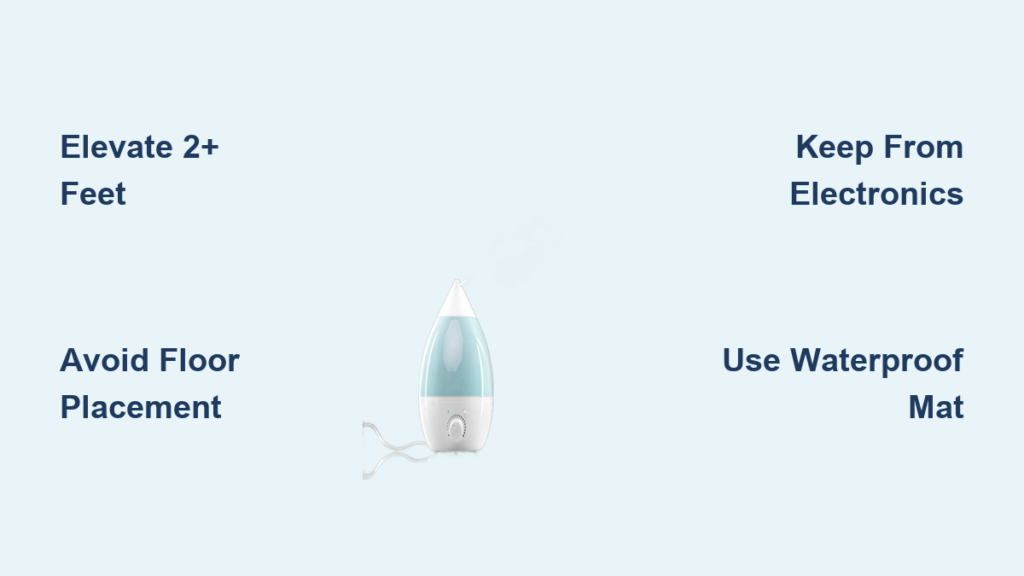
Position warm mist humidifiers on waterproof surfaces at least 3 feet from beds and 6 feet from children’s reach. The steam outlet should point away from walls to prevent moisture damage, and always use a plastic tray underneath to catch condensation—especially on wood surfaces. In bedrooms, place it near your breathing space but not directly in your line of sight to avoid waking up to a visible steam plume.
Essential Daily Maintenance for Safe Operation
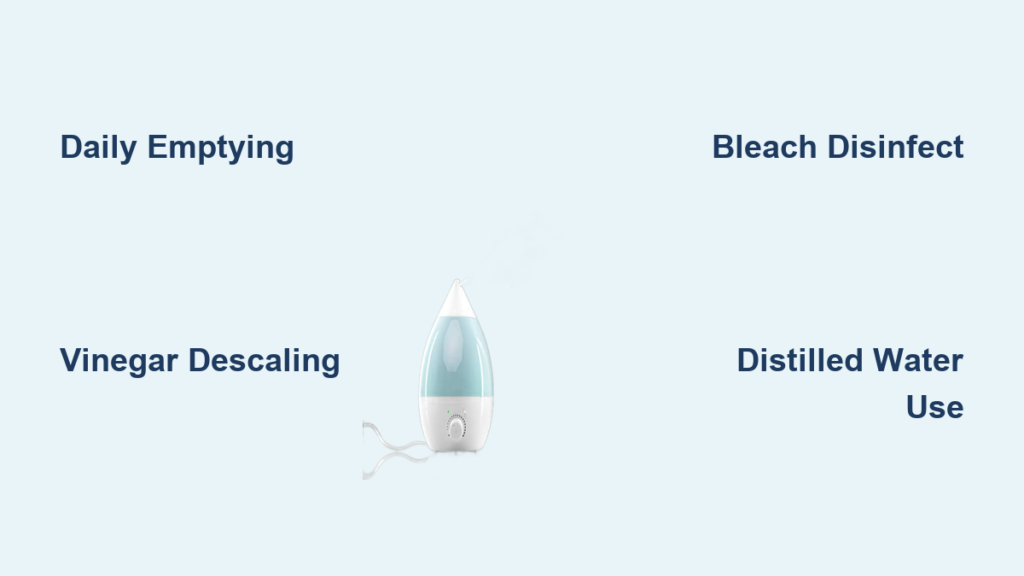
Empty and rinse the water tank daily to prevent bacterial growth and mineral buildup. Use distilled water in hard water areas to reduce white dust and scaling on the heating element. Clean the boiling chamber weekly with white vinegar to maintain efficiency and prevent that unpleasant “humidifier smell” that indicates bacterial growth. These simple steps ensure your warm mist unit delivers clean, therapeutic vapor without becoming a health hazard.
When Warm Mist Outperforms Cool Mist Alternatives
Conquering Extreme Cold Climate Challenges
In regions where winter temperatures consistently stay below 20°F, cool mist humidifiers often make rooms feel colder, forcing your heating system to work harder. Warm mist solves this paradox by adding moisture while providing a subtle temperature boost. You’ll maintain comfort without significantly increasing energy costs, as the heated vapor works with your heating system rather than against it. The slight warmth makes the added moisture feel more natural and comfortable in frigid conditions.
Eliminating Static Electricity Faster
When static shocks become a daily nuisance—zapping you from doorknobs, blankets, and even your pet—warm mist provides faster relief than cool mist alternatives. The heated vapor changes the air’s electrical properties more effectively, reducing static buildup. You’ll notice fewer shocks within 2-3 hours of operation compared to the 6-8 hours it typically takes for cool mist units to make a noticeable difference in static electricity problems.
Key Takeaway: Choose warm mist humidifiers when respiratory relief tops your priority list, during cold/flu season, in extremely cold climates, or when you need the germ-killing benefits of heated vapor. While they cost more to operate and require safety precautions, the therapeutic advantages make them invaluable for specific situations. Match your humidifier choice to your primary concern—whether that’s faster congestion relief, safer air for illness recovery, or simply maintaining comfort during harsh winter conditions. When you know exactly when to use warm mist humidifier technology, you transform it from an appliance into a targeted wellness solution.